Build Balanced Eating Habits with Nutrition Consultants
Online consultations supporting mindful nutrition, active lifestyle, and personal comfort in your daily routine.
Send a consultation request
Online consultations supporting mindful nutrition, active lifestyle, and personal comfort in your daily routine.
Send a consultation request
Mindful eating is about paying attention to your food choices, eating patterns, and body signals. It involves being present during meals, recognising hunger and fullness cues, and making conscious decisions about what and how you eat.
This approach helps you develop a healthier relationship with food, reduces emotional eating, and supports natural weight awareness. Nutrition consultants can guide you through practical steps to incorporate mindfulness into your daily eating routine.
Our nutrition consultants provide personalised guidance to help you understand your eating patterns and make informed choices. Consultations focus on education, practical strategies, and sustainable habit formation.
During sessions, you'll discuss your current routine, challenges, and goals. Consultants offer insights into balanced nutrition, meal planning, and lifestyle adjustments that fit your individual circumstances.
This is not medical advice or treatment. Consultations are educational and designed to empower you with knowledge and practical skills for daily life.

Regular movement is essential for overall wellbeing and supports healthy weight awareness. You don't need intense workouts; simple, consistent activity throughout the day can make a significant difference.
Walking, stretching, taking stairs, and short movement breaks all contribute to energy balance and physical comfort. Finding activities you enjoy increases the likelihood of maintaining them long-term.
Small, consistent changes are more sustainable than dramatic overhauls. Building healthy habits gradually allows them to become part of your natural routine without feeling overwhelming.
Start with one or two manageable changes, such as drinking more water, adding vegetables to meals, or taking a daily walk. Once these become automatic, you can introduce additional habits.
Nutrition consultants help identify which habits will have the most meaningful impact on your individual situation and provide strategies for maintaining them.
Emotional eating occurs when we use food to cope with feelings rather than to satisfy physical hunger. Common triggers include stress, boredom, loneliness, and fatigue.
Learning to identify the difference between emotional and physical hunger is a valuable skill. Physical hunger builds gradually, while emotional hunger appears suddenly and often craves specific foods.
Developing alternative coping strategies, such as breathing exercises, short walks, or creative activities, can help manage emotions without turning to food.

A balanced plate includes a variety of food groups that provide different nutrients your body needs. A simple approach is to fill half your plate with vegetables and fruits, a quarter with protein sources, and a quarter with whole grains.
Vegetables and fruits provide fibre, vitamins, and minerals. Protein sources include lean meats, fish, eggs, legumes, and dairy. Whole grains offer sustained energy and additional fibre.
Both home and workplace eating environments present unique challenges and opportunities for balanced nutrition. Preparing meals at home gives you more control over ingredients and portions.
In office settings, planning ahead helps maintain healthy habits. Bringing prepared meals or snacks, staying hydrated, and taking proper meal breaks support consistent energy levels throughout the workday.
Simple strategies like batch cooking, keeping healthy snacks available, and creating eating routines can make balanced nutrition easier in any environment.
Effective meal planning focuses on variety and balance rather than rigid rules or forbidden foods. The goal is to create a sustainable approach that you can maintain long-term.
Start by planning a few key meals each week, incorporating foods you enjoy alongside nutritious options. Flexibility is important; plans can adapt to changing schedules and preferences.
Nutrition consultants provide practical meal planning guidance tailored to your lifestyle, preferences, and individual needs.
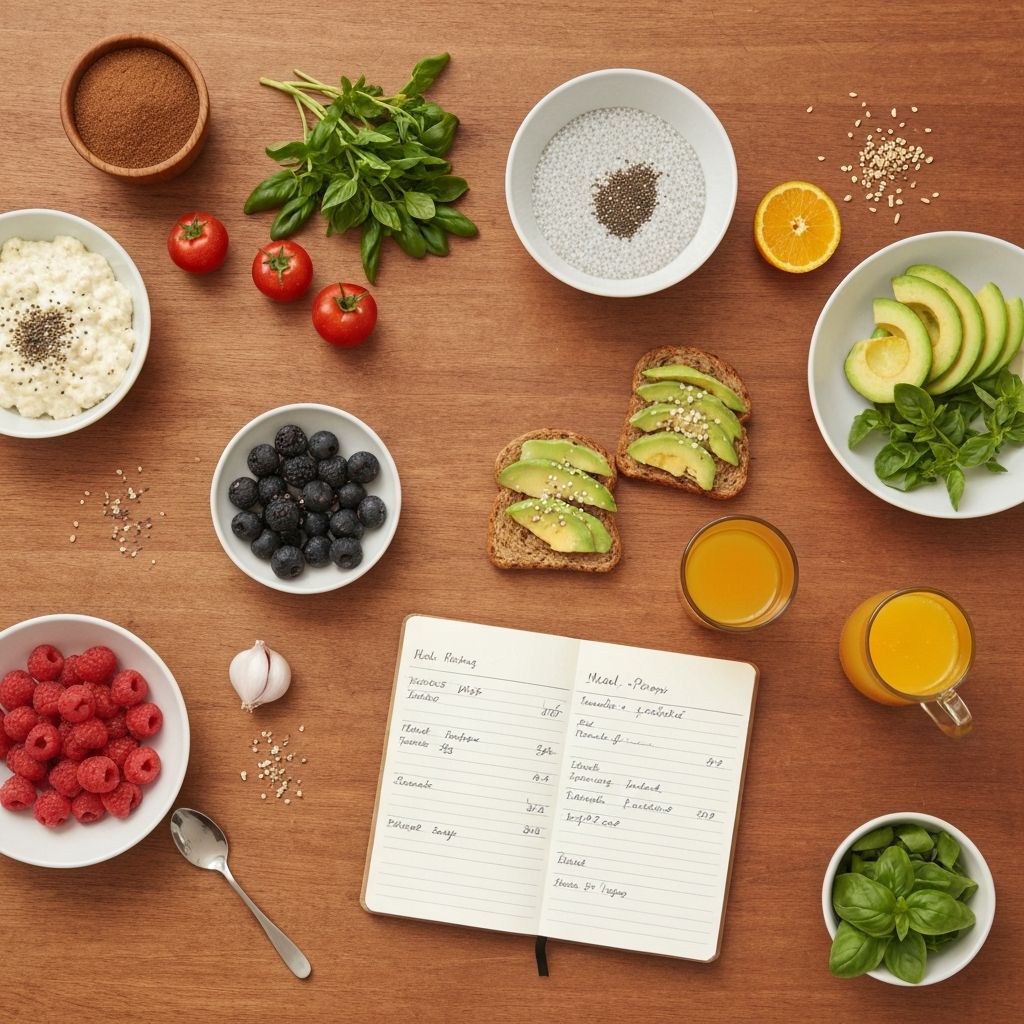
Whole, minimally processed foods form the foundation of balanced nutrition. These include fresh vegetables, fruits, whole grains, lean proteins, nuts, seeds, and legumes.
Natural products retain more nutrients and fibre compared to heavily processed alternatives. They also tend to be more satisfying and support stable energy levels throughout the day.
Incorporating movement into your daily routine doesn't require a gym membership or special equipment. Small bursts of activity add up and contribute to overall physical wellbeing.
Simple stretches, desk exercises, walking meetings, and active breaks can all increase your daily movement. The key is finding opportunities that fit naturally into your schedule.
Maintaining motivation for healthy habits requires understanding your personal reasons and creating supportive environments. Clarifying why these changes matter to you provides direction during challenging times.
Tracking progress through non-scale measures, such as energy levels, sleep quality, or how clothes fit, can provide motivation beyond numbers. Celebrating small wins reinforces positive behaviour.
Working with a nutrition consultant offers accountability and encouragement, helping you stay focused on your goals while adapting strategies as needed.
Nutrition consultations provide structured support for developing new eating patterns. Consultants help you identify current habits, understand nutritional principles, and create personalised strategies.
Regular sessions allow for ongoing adjustments based on your experiences and feedback. This iterative process helps ensure changes are practical and sustainable for your lifestyle.
Education is central to consultations, empowering you with knowledge to make informed choices independently over time.
"The consultations helped me understand my eating patterns better. I've learned to make more balanced choices without feeling restricted."
"Having regular support from a nutrition consultant made such a difference. The practical advice was easy to follow in my busy schedule."
"I appreciate the educational approach. It's not about quick fixes but understanding how to create lasting habits."
"The focus on mindful eating and simple movement has made a real difference in how I feel day to day."
Connect with our nutrition consultants to explore how we can support your journey towards mindful eating and healthy habits.
Send a consultation request